41st edition COURTS MÉTRAGES 2026
HISTORIC SITES
Paula ALLHORN
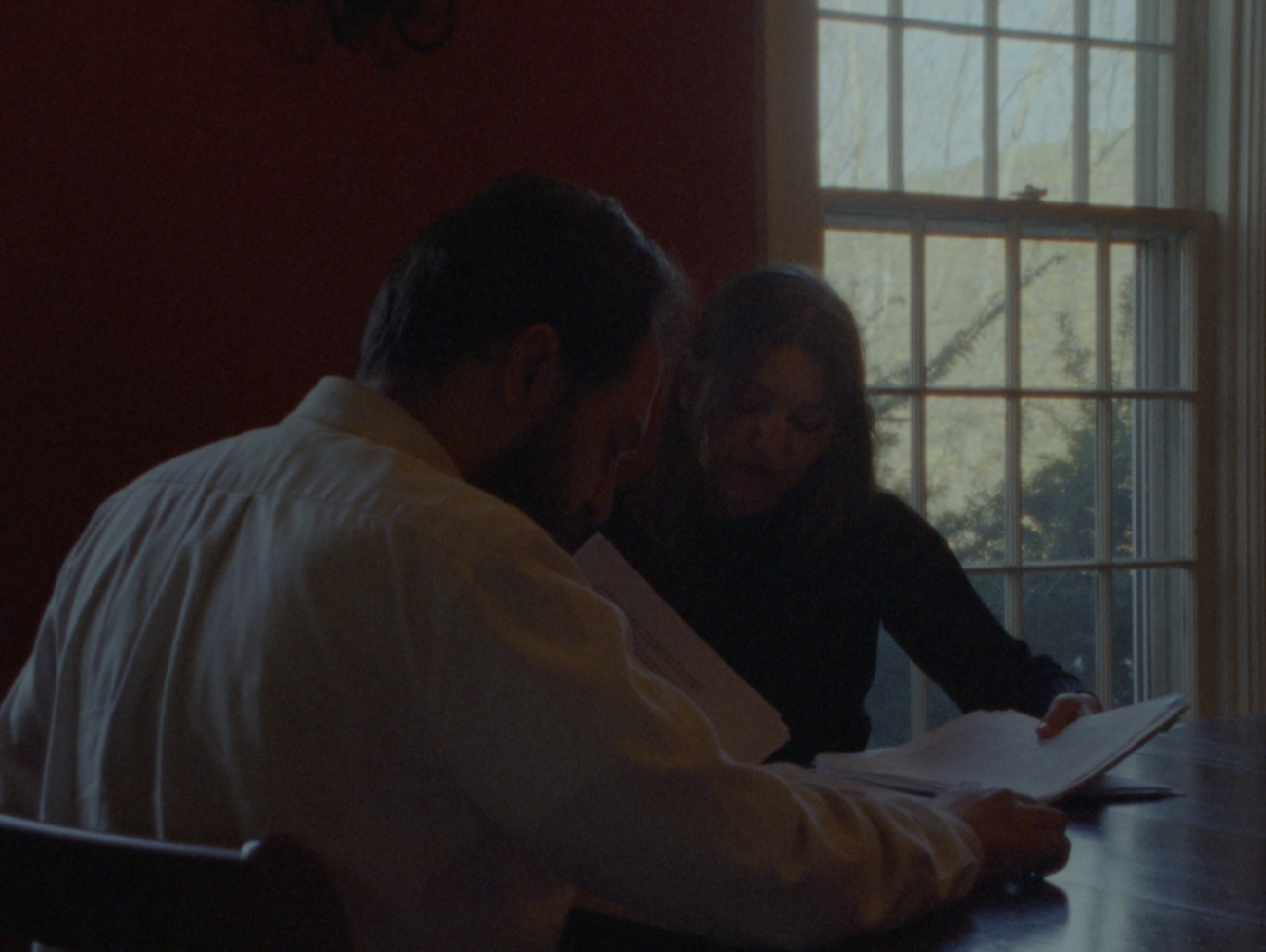
A woman travels through the Northeastern United States, gradually engaging with modernism and paintings from the 19th century.
A word from the selection committee :
Does honoring a tradition necessarily mean distorting it? First, we need to know what tradition we are talking about – such seems to be Paula Allhorn’s answer in this mid-length film, where fiction seems to emerge from a commentary - or is it the other way around?
First, there’s the intellectual tradition, dating back to the 19th century, and more specifically to the post-romantic movements that shaped the works of Pissarro, Cole, Dickinson, and Thoreau - which the film elicits. But above all, it is the cinematic tradition that seems to be geographically turned on its head, as the film offers us an “eastern”, journeying up the East Coast of the United States, from the suburbs of Philadelphia to Walden Pond, north of Boston. On the way, Monument Valley gives way to the Hudson Valley – with the Bear Mountain Bridge overlooking –, and John Wayne to Calvin Engime (straight out of the Classical Period).
Far from Hollywood and its commodified West, it is sound collaborator Ted Fendt’s homeland that Paula Allhorn chose to roam and explore, along with a certain idea of America: the one reflected by Thomas Pynchon’s luddism or crisscrossed by Kelly Reichardt’s freight train journeys, that seems to be vanishing and whose ghosts can still emerge from the depths of a dinner at dusk.
Victor Bournerias
- Scénario
- Paula Allhorn
- Photographie
- Aryan Salazar Volkmann
- Son
- Ted Fendt, Sabrina Rücker
- Montage
- Paula Allhorn
- Production
- DFFB
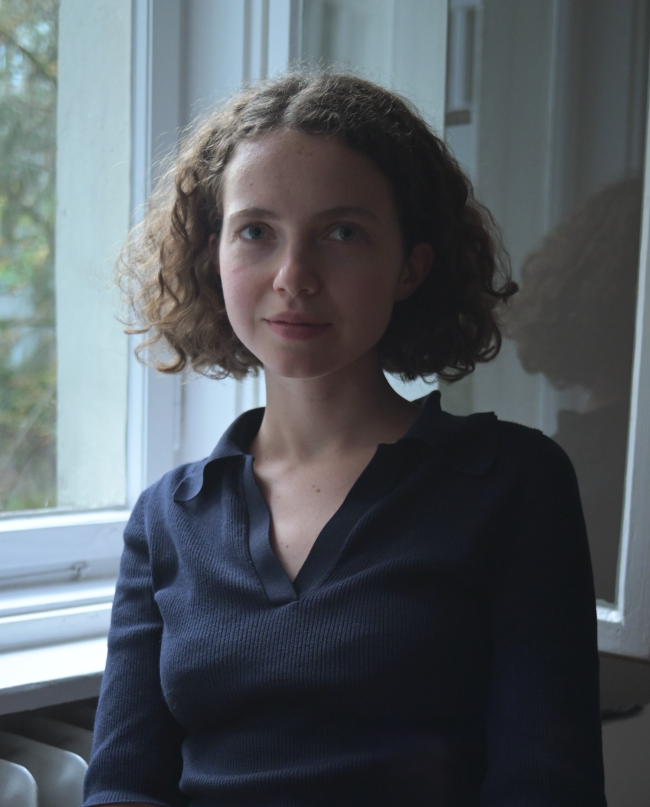
Paula Allhorn finished her studies at the Art Academy in Düsseldorf under Trisha Donnelly. Since then, she has been enrolled in the directing program at the German Film and Television Academy in Berlin. Historic Sites is her first film to be shown in a festival.